
Mobile Money Fraud in Uganda: How Institutions Lose Money

Mobile money fraud in Uganda rarely starts with a hacked system. It starts with a phone call, a fake agent or a rushed approval. Here is how institutions lose money and how to stop it.
Why Phishing Still Works on Ugandan Banks and Fintechs
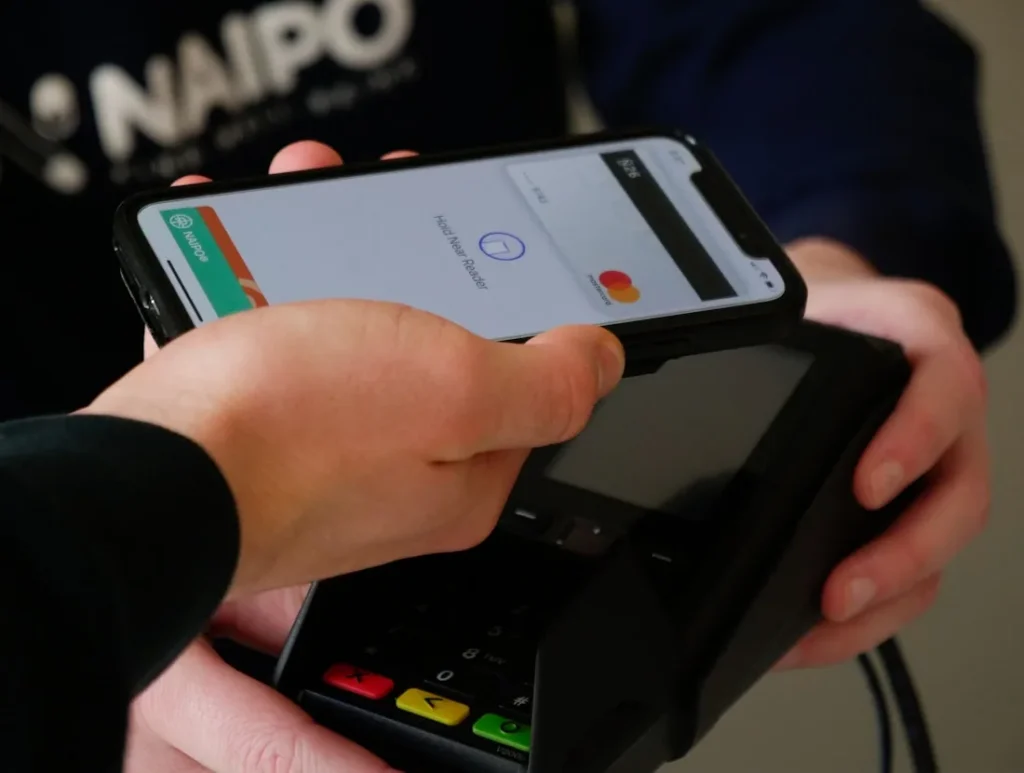
Phishing succeeds in Ugandan banks because the messages are targeted, the timing is deliberate and staff are rewarded for speed. Here is what awareness training keeps missing.
Cybersecurity for NGOs in Uganda: Protecting Beneficiary Data

NGOs in Uganda hold some of the most sensitive data in the country, often with the thinnest controls. Here is what donor compliance now expects and where field operations break.
What a Cybersecurity Maturity Assessment Tells Your Board

A cybersecurity maturity assessment converts a vague sense of risk into a rating, a gap list and a costed roadmap your board can approve. Here is exactly what it covers.
Why Cybersecurity Awareness Training Fails

Most awareness training changes nothing because it is annual, generic and written by technical people for technical people. Here is what makes staff behavior actually shift.
Board Responsibility for Cyber Risk in East Africa

Directors are increasingly accountable for cyber risk they were never briefed on. Here is what a board should be asking and what it should insist on seeing.
Preparing for a Donor or Regulator Cybersecurity Audit

Cybersecurity audits fail on missing evidence far more often than missing controls. Here is the documentation to assemble before the request ever arrives.
Vendor and Third Party Cyber Risk in Uganda

Your outsourced ICT provider, cloud platform and payment partner can each expose you. Most institutions have never assessed any of them. Here is where to start.
Ransomware Readiness for East African Institutions

Ransomware readiness is measured by how fast you recover, not by whether you were hit. Here is what separates institutions that recover in days from those that lose months.